Educational Objectives 教育目標
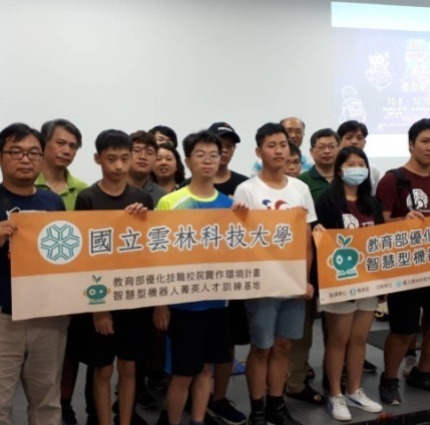
Program Objectives
- To provide students with fundamental academic knowledge and professional expertise in the field of robotics, and to cultivate their abilities in knowledge application, problem analysis, and problem solving. Students are also trained in professional skills while developing self-directed learning and innovation capabilities.
- To emphasize teamwork and strengthen communication and coordination skills, cultivating professional engineers who demonstrate efficiency, strong psychological resilience, insight into robotics industry trends, and the ability to plan for future development.
- To foster professional ethics and a sense of social responsibility, enabling students to understand industrial trends and contemporary developments while developing an international perspective and global vision.
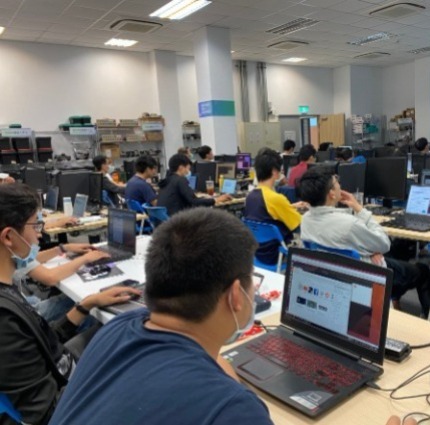
Implementation Strategies
- Align curriculum planning with industry needs.
- Emphasize the integration of theory and practice in course delivery.
- Reduce learning barriers and enhance students’ learning effectiveness.
- Assess students’ learning outcomes through capstone and integrated courses.
- Encourage participation in competitions to enhance students’ motivation and learning engagement.
- Develop students’ industrial perspectives through industry internships and practical training.
- Strengthen international collaboration to broaden students’ global outlook and international perspective.
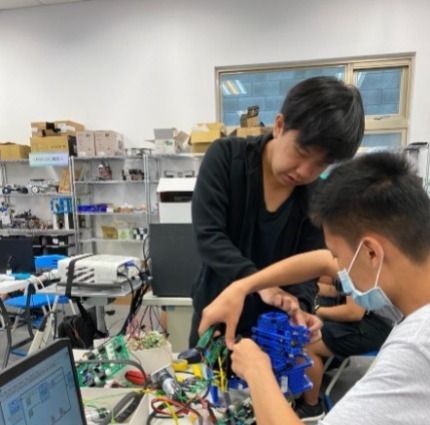
Methods for Achievement
- Arrange annual off-campus industrial visits to enhance students’ understanding of industry practices and trends.
- Provide PVQC professional English training and guidance to reduce language-learning barriers and strengthen professional communication skills.
- Encourage students to participate in competitions or serve as competition staff to develop practical skills, teamwork, and leadership abilities.
- Assist students in obtaining professional certifications, such as Robotics Engineer and Automation Engineer certifications, to enhance their professional competitiveness.
- Invite industry professionals to participate in teaching activities and deliver expert lectures, bridging the gap between academia and industry.
- Arrange full-semester off-campus internships during the first semester of the senior year, as well as summer internships between the junior and senior years, to strengthen practical industry experience.
- In addition to the capstone project courses, implement mini-projects in integrated courses to cultivate students’ ability to integrate and apply multidisciplinary knowledge.
- Support students in participating in international talent development programs and encourage academic exchange opportunities in Japan to broaden their global perspectives and international competitiveness.
其他相關介紹
-

Admission Pathways 入學管道
06.11Thu 2026 -
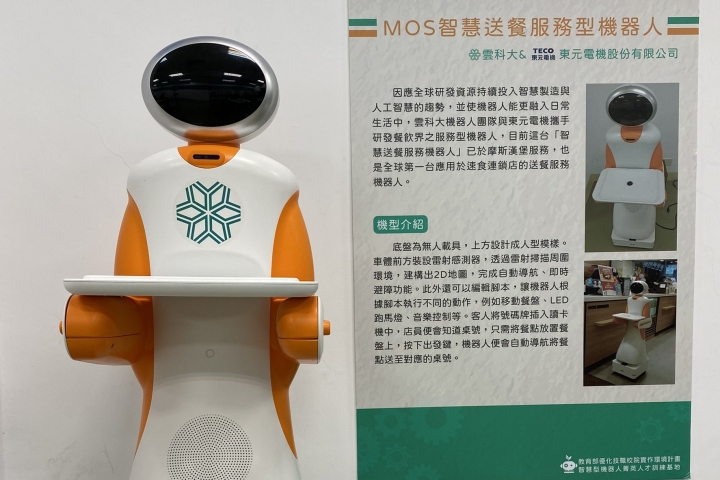
Features of the Robotics Technical Talent Class 專班特色
06.11Thu 2026 -
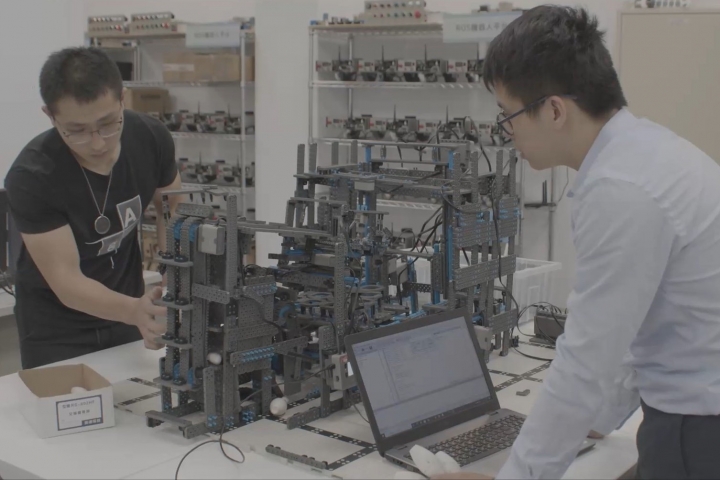
Program Introduction 學程簡介
09.01Wed 2021